Concrete is one of the most widely used materials in industrial facilities, infrastructure projects and processing environments. It provides strength, stability and long service life, but it is not completely resistant to every condition it may face.
Chemical exposure, moisture, abrasion, temperature changes and heavy use can gradually affect concrete structures. This is why industrial concrete protection should be considered during the design stage rather than only after damage appears.
Planning protection early can help engineers create facilities that are better suited to their operating environment and easier to maintain over time.
Protection Starts Before Construction Is Complete
Many facility designs focus on layout, equipment, access and workflow. While these elements are important, the surrounding structures also need consideration.
Concrete areas exposed to demanding conditions may require additional protection depending on how the facility will operate. Areas such as processing zones, storage areas, wastewater environments, and chemical-handling spaces may experience conditions that can gradually weaken untreated surfaces.
By considering protection during design, engineers can make decisions before construction is complete rather than trying to solve problems later.
Understanding the Environment Matters
Every facility operates differently. The type of materials handled, cleaning processes, temperature changes and level of activity can all influence how concrete performs.
Before selecting a protection approach, it helps to consider:
- What substances will come into contact with the surface
- Whether the area experiences moisture or frequent washing
- How much physical wear the concrete will receive
- Whether maintenance access will be limited
- How long the structure is expected to operate
A facility designed around its actual conditions is more likely to perform reliably over time.
Concrete Damage Can Develop Gradually
Concrete deterioration is not always immediate. Small changes may develop slowly before becoming more noticeable.
Surface wear, cracking, chemical attack or moisture penetration can affect the condition of concrete over time. Once damage becomes significant, repairs may require more disruption, downtime and resources.
This is why concrete protection systems are often considered part of long-term planning. Preventing problems early can be more practical than responding after the structure has already been affected.
Supporting Long-Term Asset Performance
Industrial facilities are designed to operate for many years. The materials selected during construction need to support that expected lifespan.
Adding protection measures during the design phase can help improve the durability of concrete structures exposed to challenging environments. It may also help reduce the frequency of repairs and maintenance requirements.
The goal is not only to protect the concrete itself. It supports the overall reliability of the facility.
Choosing Materials Based on Application Needs
There is no single protection method that suits every project. The right approach depends on the environment, the structure and the type of exposure involved.
Some facilities may need protection against chemicals. Others may require resistance to abrasion, moisture or repeated cleaning. Material selection should be based on how the surface will be used throughout its service life.
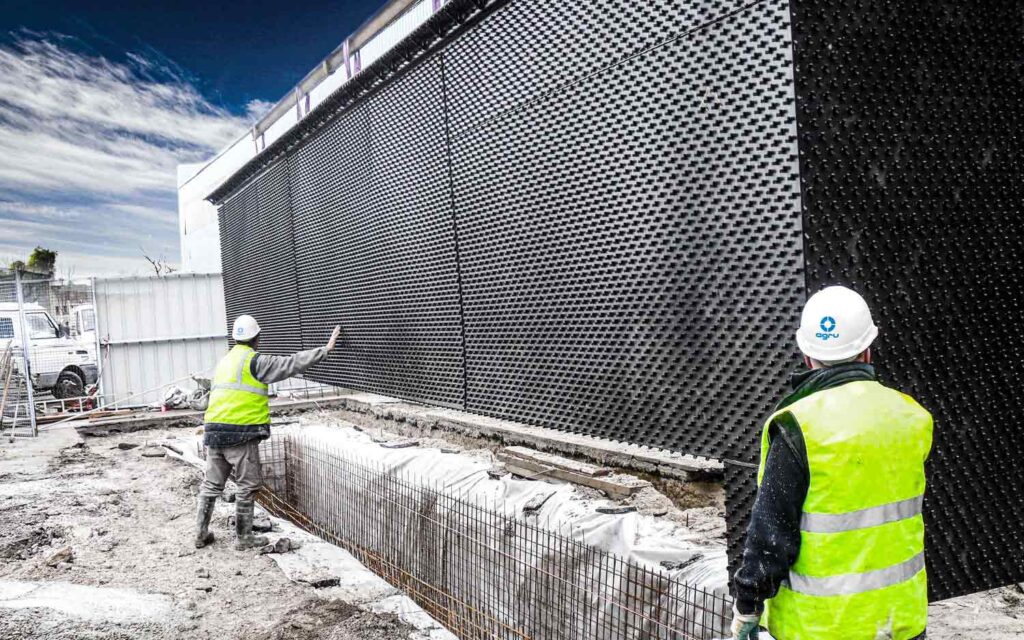
This is where industrial liner systems and protective solutions may become part of the wider facility design discussion.
Considering Maintenance During Design
Maintenance is often easier when it has been considered from the beginning. A facility that is difficult to clean, inspect or repair can create challenges later.
Design decisions around access, surface protection and material selection can influence how easily a site can continue operating. For industries where downtime affects productivity, these considerations can be especially important.
Good design does not only focus on building something functional. It also considers how the facility will be managed in the years ahead.
Protecting More Than Just the Surface
Concrete protection is not only about preventing visible damage. It can also help maintain the performance of structures that support important industrial processes.
For example, concrete areas used in water treatment, manufacturing, chemical processing or waste management may need additional consideration because of the conditions they face.
A well-planned approach looks at the full environment rather than treating protection as a separate feature added later.
The Role of Industrial Semi-Finished Products
Industrial semi-finished products are materials supplied in forms such as sheets, rods, bars and tubes that can be further processed into finished components.
These materials may be shaped through machining, welding or forming to suit specific requirements. They provide manufacturers and engineers with a flexible starting point when developing specialised solutions for industrial applications.
Semi-finished materials can support projects where customised fabrication, chemical resistance or specific performance characteristics are required.
Planning Protection as Part of Facility Design
Concrete protection is most effective when it is considered alongside the rest of the facility design. Materials, operating conditions, maintenance requirements and future use all need to work together.
For engineers and project teams exploring concrete protection solutions, early planning can help create structures that are better prepared for demanding environments.
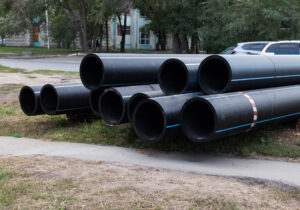
AGRU Australia supplies engineered plastic solutions, including protective liners, piping systems and specialised products for industrial applications. By considering protection from the beginning, facilities can be designed with greater durability, reliability and long-term performance in mind.